
From Foundation to Dust: Your Complete Guide to Building Demolition
Understanding the Complete Building Demolition Process
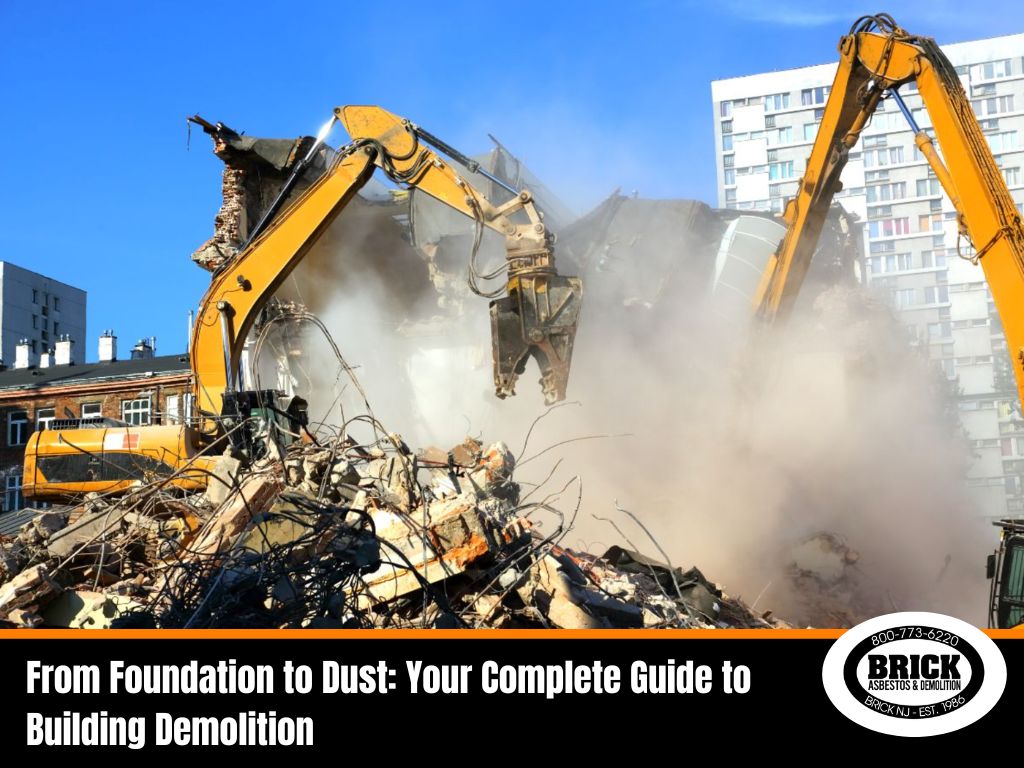
Complete building demolition is the total removal of a structure, including all above-ground components, foundations, and slabs. Unlike partial or selective work, this process clears a site entirely for new construction or redevelopment.
Key Aspects of Complete Building Demolition:
- Planning – Engineering surveys, hazardous material testing, permit acquisition, and utility disconnection.
- Demolition Methods – Mechanical demolition, controlled implosion, or manual techniques.
- Safety Requirements – Strict OSHA compliance, dust suppression, and site security.
- Waste Management – On-site material separation, recycling, and proper debris disposal.
- Timeline – Debris is typically removed within 30 days of completion per most municipal codes.
Unlike selective demolition, which preserves parts of a structure, total demolition requires careful planning, specialized equipment, and strict regulatory compliance. It’s a carefully engineered operation focused on worker safety, environmental responsibility, and efficient site preparation, where every step follows established protocols.
I’m Eric Plackis, President of Brick Industries, Inc. With over 38 years managing complete building demolition projects in New Jersey, New York, and Pennsylvania, I ensure strict compliance with EPA, OSHA, and state regulations. My experience ranges from residential teardowns to complex industrial facility demolitions involving hazardous material abatement.
The Complete Building Demolition Process: From Blueprint to Bare Ground

Starting on a complete building demolition project requires a methodical approach to transform a standing structure into a cleared site. We handle every phase with precision and an unwavering commitment to safety and compliance throughout our service areas of New Jersey, New York, and Pennsylvania.
Step 1: Meticulous Planning and Permitting
Before any heavy machinery arrives, extensive planning is crucial for a safe, efficient, and compliant demolition. This foundational step lays the groundwork for success.
Engineering & Structural Survey: A structural engineer conducts a comprehensive survey to assess the building’s integrity, identify hazards like fire or flood damage, and plan the safest demolition method. This assessment also identifies challenges like prestressed concrete, which requires specialized handling due to stored energy in its tendons.
Utility Disconnection: A critical preparatory step is the safe disconnection of all utility services, including electric, gas, water, and sewer lines. Any lines required for the demolition itself are carefully relocated or protected. We coordinate closely with utility companies to ensure this is handled safely.
Hazardous Material Survey: Older buildings often contain hazardous materials that must be identified and safely removed before demolition to protect workers and the public.
- Asbestos Testing: A mandatory asbestos survey is conducted if materials like insulation or fireproofing are present. As licensed experts in asbestos testing and asbestos removal, we ensure full compliance with NESHAP and OSHA regulations.
- Lead Paint Identification: Buildings constructed before 1978 may contain lead-based paint. If lead is present, these materials are carefully removed and contained before mechanical demolition to prevent airborne dust emissions.
Site Plan and Permitting: A detailed demolition plan is developed, outlining the sequence, equipment, safety measures, and waste management strategies. We then handle the critical process of acquiring all necessary permits from local authorities, navigating complex regulations in NJ, NY, and PA to ensure all paperwork is in order. You can find general guidelines for demolition permits from local authorities.
Environmental and Safety Compliance: For large projects, a Stormwater Pollution Prevention Plan (SWPPP) may be required to control erosion. Throughout the entire process, we adhere strictly to OSHA demolition safety standards, ensuring all work is performed by competent persons and only authorized personnel are permitted on site.
Step 2: Choosing the Right Demolition Method
With planning complete, we select the most appropriate demolition method based on the building’s size, location, and materials.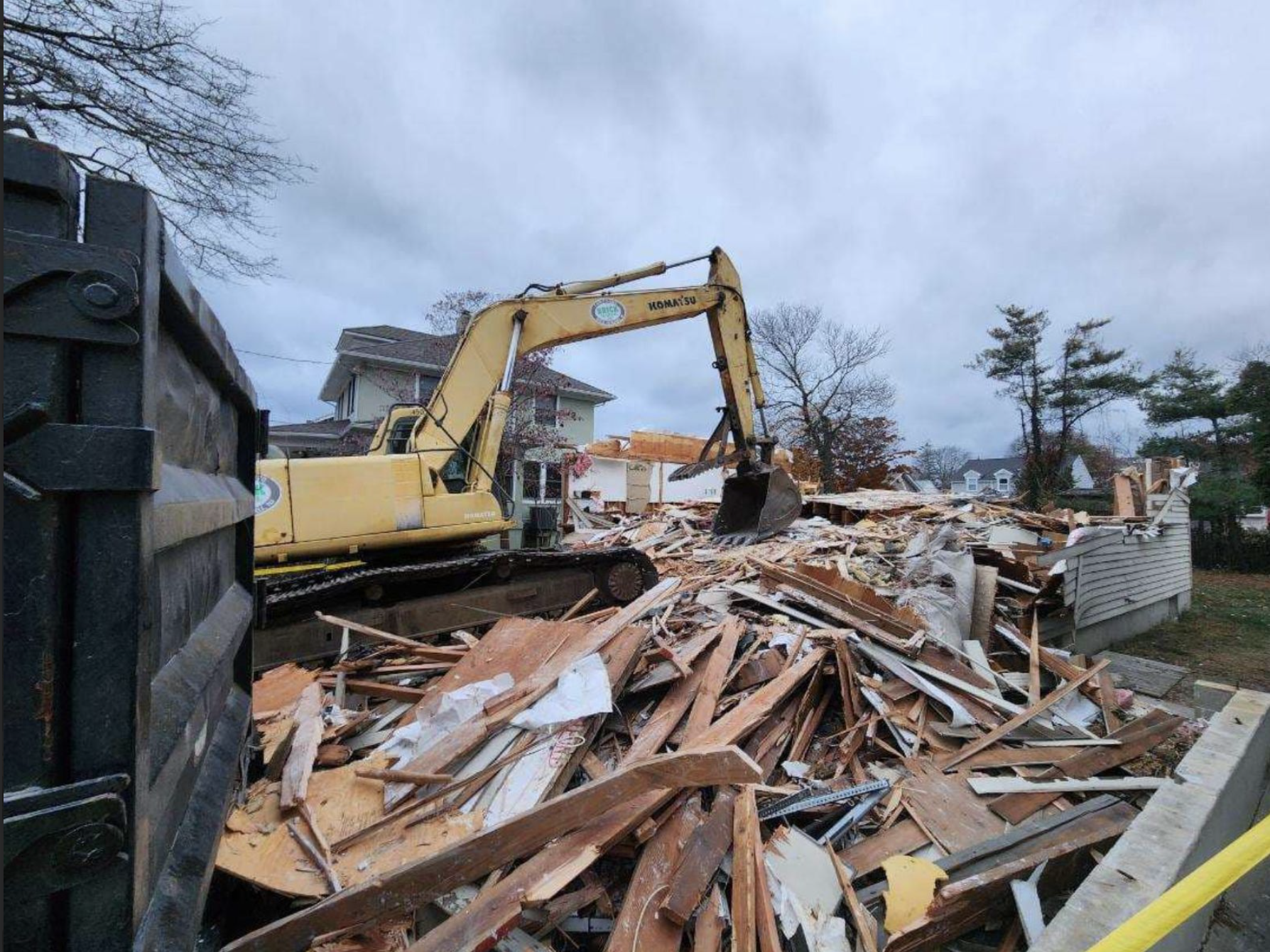
Mechanical Demolition: The most common method, mechanical demolition uses heavy machinery to systematically dismantle a structure, typically from the top down. Key equipment includes:
- Excavators with attachments like hydraulic shears and pulverizers to cut steel and crush concrete.
- High-Reach Excavators for safely dismantling taller buildings (up to 100+ feet).
- Track Loaders and Skid Steers to handle debris removal on the ground.
Implosion: This highly specialized method uses controlled explosives to collapse large structures like high-rises inward. While fast, it requires meticulous planning, large open spaces, and strict safety perimeters, making it a less common choice. We have the expertise to manage such projects when conditions allow.
Hand Demolition: Used for smaller structures, in tight spaces, or for selective removal, this method involves workers using hand tools to dismantle building components from stable platforms. It is often used to remove hazardous materials before mechanical demolition begins.
Wrecking Ball Method: Once iconic, the wrecking ball is less common today, replaced by more precise mechanical techniques. It offers less control and can generate significant vibrations, making it unsuitable for most urban environments.
We select the safest, most efficient, and most cost-effective method for your complete building demolition project in consultation with our clients and structural engineers.
Step 3: Executing a Safe and Compliant Complete Building Demolition
This phase is where our commitment to safety, precision, and regulatory adherence comes into full focus. There are no shortcuts when it comes to protecting our teams, the public, and the environment.
OSHA Compliance and Site Safety: Our operations are rigorously aligned with OSHA standards. We conduct comprehensive training, daily safety talks, and establish clear exclusion zones secured with barriers and warning signs. A fire prevention plan is established for every job, and a person with valid first aid training is always available on-site.
Dust and Debris Control: To control dust, we use continuous water spraying during all demolition activities. To further prevent dust and debris from spreading, we monitor wind speeds with anemometers and suspend mechanical demolition when winds exceed 25 MPH.
Personal Protective Equipment (PPE): All workers are required to wear appropriate PPE, including hard hats, safety glasses, high-visibility clothing, and steel-toed boots. Specialized respirators and protective suits are used for hazardous tasks.
Our commitment to these safety measures, along with our expertise in enviro-safe interior demolition, ensures every project in NJ, NY, and PA is completed safely and in full compliance. For us, a job well done is a job done safely.
After the Dust Settles: Waste Management and Next Steps
The removal of a structure is only half the battle in complete building demolition. What happens to the resulting material is just as crucial for environmental responsibility and preparing the site for its next chapter. We focus on sustainable practices that turn demolition debris into valuable resources.
Sustainable Debris Management and Asset Recovery
Professional demolition services emphasize sustainable waste management to reduce landfill burdens and recover value.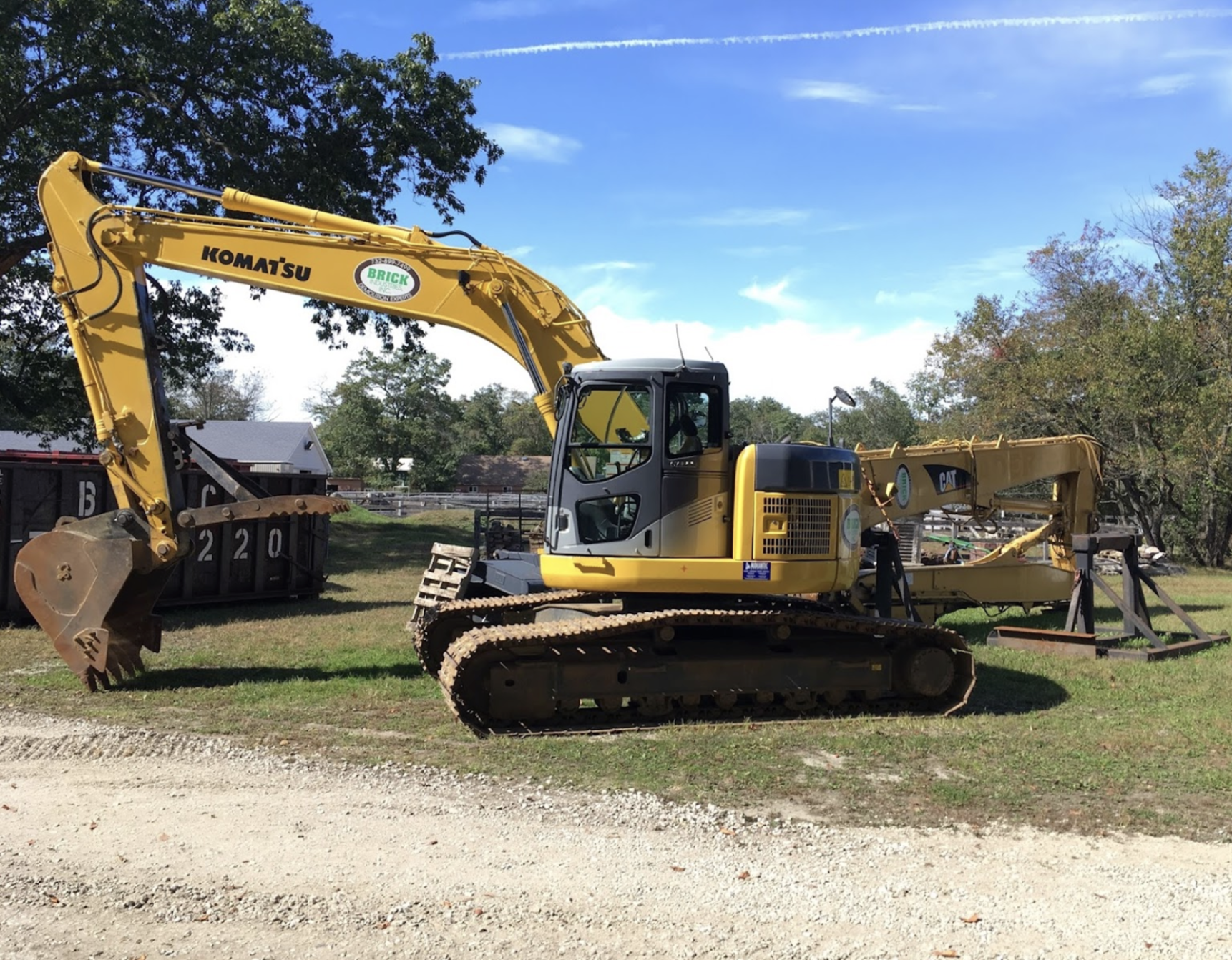
On-Site Material Separation: We prioritize sustainability by separating materials like metal and concrete on-site as the building comes down. This initial sorting is key for efficient recycling, reduces trucking costs, and prepares materials for transfer to specialized recycling facilities.
Concrete and Metal Recycling: Concrete can be crushed on-site and repurposed as aggregate for new construction, reducing landfill waste. Metals like steel, copper, and aluminum are sorted and sent to recycling facilities, saving significant energy and natural resources.
Wood Repurposing and LEED: Wood debris is often chipped for mulch or used as biomass fuel. Our comprehensive recycling strategies also help clients achieve LEED (Leadership in Energy and Environmental Design) certification credits, and we provide all necessary documentation.
Debris Hauling and Site Clearing: Materials that cannot be recycled are transported to approved disposal facilities. We adhere to municipal codes, typically removing all debris within 30 days of project completion to ensure the site is ready for the next phase.
Asset Recovery: Beyond recycling, our asset recovery services involve salvaging valuable equipment like generators, chillers, and switchgear. These items can be resold to offset demolition costs, and we leverage our industry connections to maximize client returns.
The Value of Professional Complete Building Demolition Services
Hiring a professional demolition contractor is a necessity for a safe, efficient, and compliant project. With Brick Asbestos and Demolition, you gain a partner with decades of expertise.
Expertise and Efficiency: With over 40 years of experience in NJ, NY, and PA, our highly trained teams use state-of-the-art machinery to execute complex projects with precision and speed, without compromising safety.
Regulatory Compliance: We steer the complex web of permits and regulations (OSHA, EPA, local codes). Our expertise in compliance, from permitting to waste disposal documentation, protects your project from costly fines and legal issues.
Uncompromising Safety: Safety is our top priority. We implement strict measures like worker training, exclusion zones, dust suppression, and adherence to protocols like wind speed limits. This mitigates the inherent risks of demolition, protecting workers, the public, and adjacent properties.
Proper Equipment: We own and operate a full fleet of specialized equipment, including high-reach excavators, pulverizers, and mobile crushers. Having the right tools and skilled operators is critical for a safe and effective project.
Cost-Effectiveness and Risk Mitigation: Hiring a professional is cost-effective. Our efficiency reduces labor costs, recycling minimizes disposal fees, and regulatory compliance prevents fines. We also excel at risk mitigation, using thorough surveys and detailed plans to manage hazards like asbestos and potential structural collapses.
Insurance and Bonding: As a fully insured and bonded contractor, we provide clients with crucial financial protection and peace of mind against unforeseen accidents or damage.
Your Partner in Demolition and Site Preparation
Complete building demolition is a complex process that requires expertise in planning, safety, and waste management to prepare land for new development. At Brick Asbestos and Demolition, we are your trusted partner in New Jersey, New York, and Pennsylvania.
With four decades of experience, our family-owned business prioritizes safety and compliance above all else. From commercial developments to residential teardowns and hazardous material abatement, we have the resources and experience to handle any job. We’re here to clear the way for your future.
To learn more about how we can assist with your next project and to get an estimate, please don’t hesitate to reach out.
Get an estimate for your commercial dismantling project
Contact us today to discuss your demolition needs!

Recent Articles
Steel Demolition: Techniques, Safety, and What You Need to Know
The Ultimate Guide to Commercial Demolition Services