
Preparing for Asbestos Removal: What Homeowners and Pros Need to Know
Why Proper Preparation is Non-Negotiable
Asbestos Abatement Site Preparation is the critical first phase of any asbestos removal project, involving specific steps to ensure safety and regulatory compliance before disturbing asbestos-containing materials. Improper removal can release dangerous fibers into the air, leading to serious health issues like mesothelioma, asbestosis, and lung cancer. Fines for non-compliance can also be substantial, ranging from a few thousand dollars to more than $1,200,000.
Proper preparation makes all the difference. It protects your family, workers, and property while helping you avoid costly delays and legal headaches. The difference between friable and non-friable asbestos also matters. Friable materials—like old spray-applied insulation—crumble easily, while non-friable materials—like intact floor tiles—are more stable but still require professional handling.
This is not a DIY project. Asbestos abatement must be performed by licensed professionals who follow strict safety protocols and regulatory requirements. The preparation phase alone involves specialized equipment and detailed planning.
I’m Eric Plackis, President of Brick Industries, Inc., and I’ve been overseeing Asbestos Abatement Site Preparation projects across New Jersey, New York, and Pennsylvania for over 38 years. In this guide, I’ll walk you through what happens during the preparation phase so you know what to expect.
Initial Steps in Asbestos Abatement Site Preparation: Assessment and Compliance
Before any physical work begins, a safe and compliant project is built on thorough assessment and adherence to legal requirements.
Hiring Licensed Professionals
The first and most crucial step is engaging a team of licensed and certified asbestos professionals. This is a legal mandate in most cases. Professionals are trained to handle hazardous materials, use specialized equipment, and understand the nuances of abatement. Look for contractors with AHERA-trained inspectors and supervisors, and always verify their licenses and insurance.
The Asbestos Testing Process
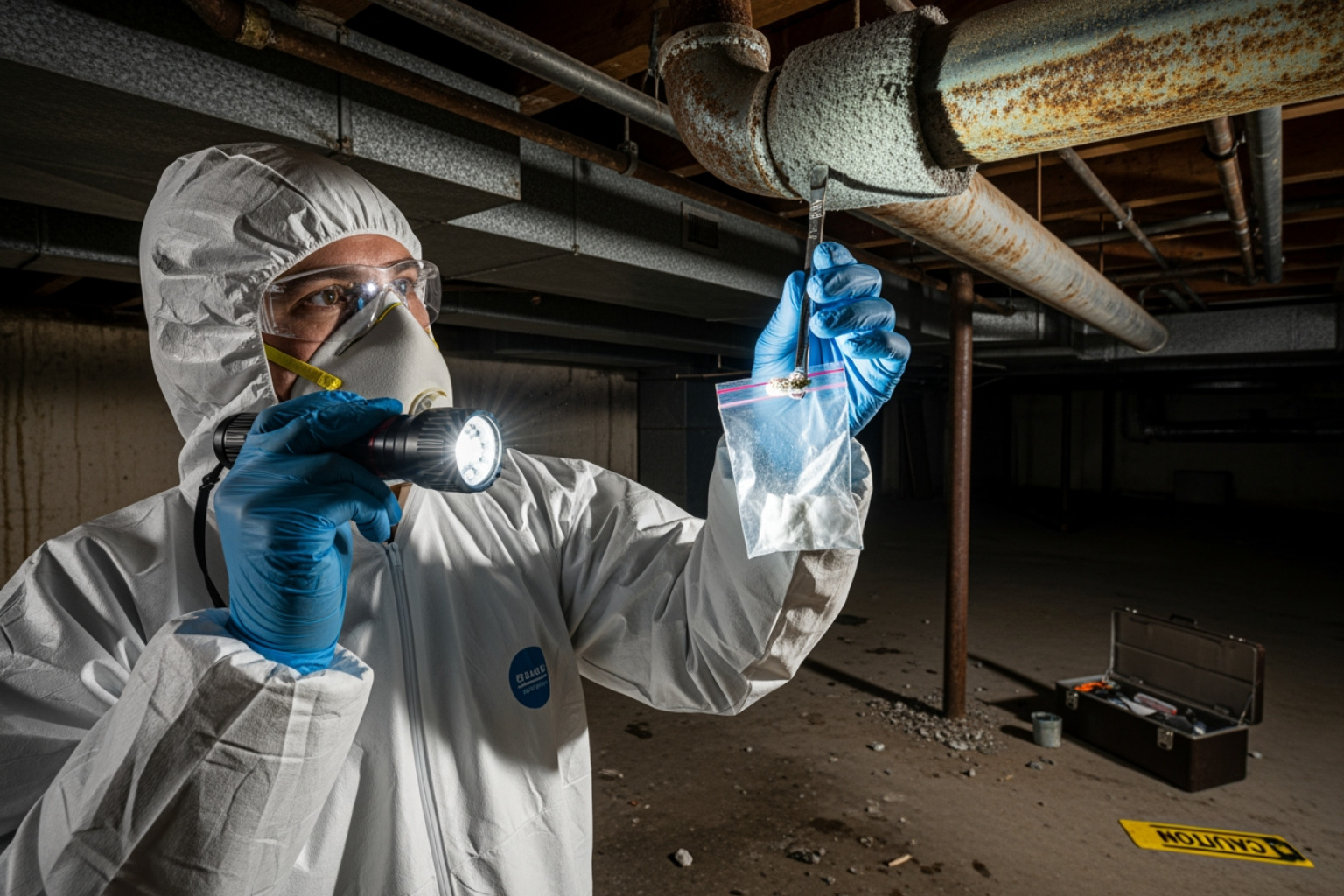
Before planning, we need to know exactly what we’re dealing with. A comprehensive Asbestos Testing process, conducted by an AHERA-trained inspector, identifies the asbestos type, condition, and quantity. This test provides the blueprint for the entire abatement strategy.
Obtaining Permits and Notifying Authorities
Once asbestos is confirmed, we steer the regulatory landscape. This involves obtaining all required permits and notifying authorities like the Environmental Protection Agency (EPA), OSHA, and relevant state and local agencies. In our service areas of New Jersey, New York, and Pennsylvania, we carefully adhere to all specific requirements, such as NJ Asbestos Regulations, always applying the most stringent standard for maximum safety.
On-Site Logistics: Communication and Relocation
Effective Asbestos Abatement Site Preparation involves clear communication and thoughtful planning for those impacted by the project.
Communicating with Occupants and Planning for Relocation
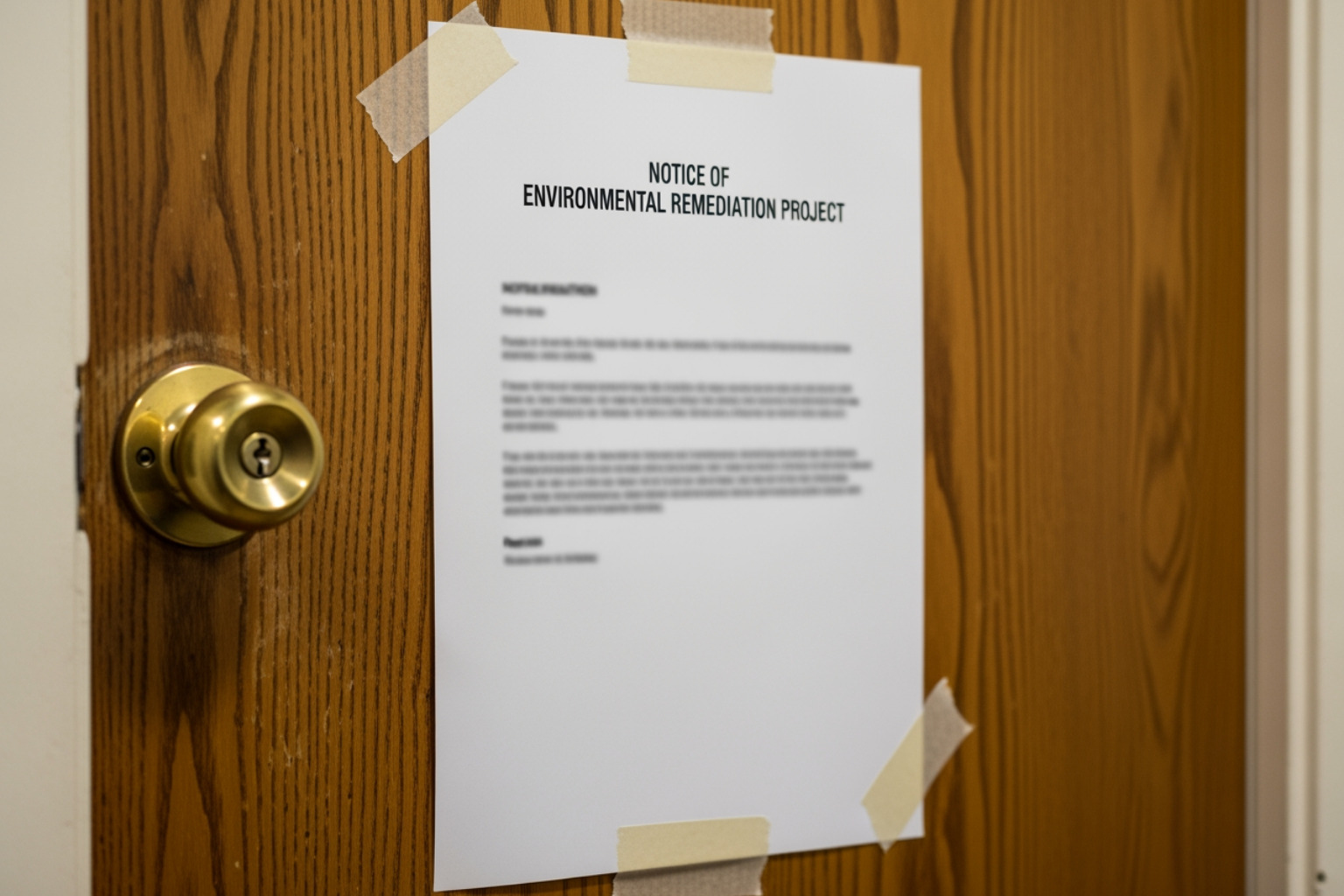
Clear communication with building occupants, tenants, and neighbors about the project schedule is essential. For many projects, particularly those involving friable materials, temporary relocation may be necessary to ensure safety. This may involve arranging a short-term rental and boarding pets. For commercial properties, this might mean relocating operations. Our team will help you understand the risks and determine if relocation is recommended.
Residential Versus Commercial Project Differences
The preparation process differs by property type. Residential projects are typically smaller and focus on isolating the affected area and protecting personal belongings. Commercial projects are often larger and more complex, involving extensive HVAC systems and more rigorous planning for occupant communication and business continuity. These projects often go hand-in-hand with Commercial Demolition.
Roles and Responsibilities
During Asbestos Abatement Site Preparation, a clear understanding of roles is vital:
- Property Owners: Responsible for hiring a licensed contractor, communicating with occupants, arranging relocation, and managing project costs.
- Abatement Professionals (Us!): Responsible for developing the abatement plan, setting up containment, managing all safety protocols, performing the removal and disposal, and ensuring successful final clearance testing.
Your Comprehensive Guide to Asbestos Abatement Site Preparation
Advanced Asbestos Abatement Site Preparation: Containment and System Shutdowns
Once assessments are complete, the physical Asbestos Abatement Site Preparation begins. This phase focuses on isolating the work area to control asbestos fiber release.
Sealing Off the Work Area
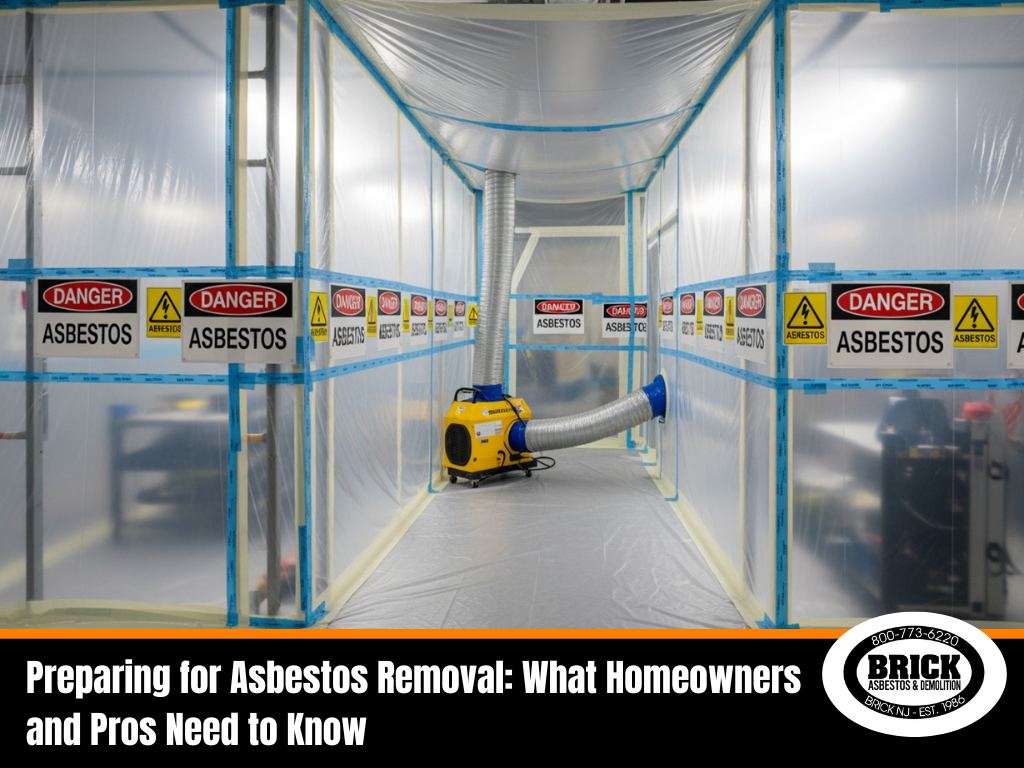
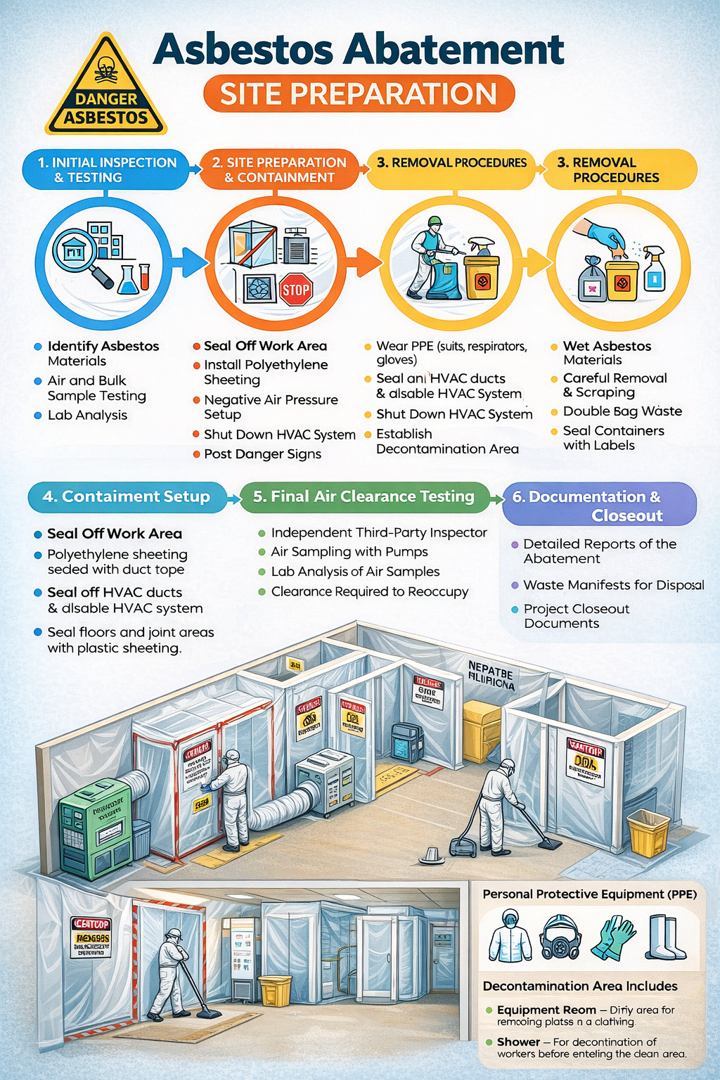
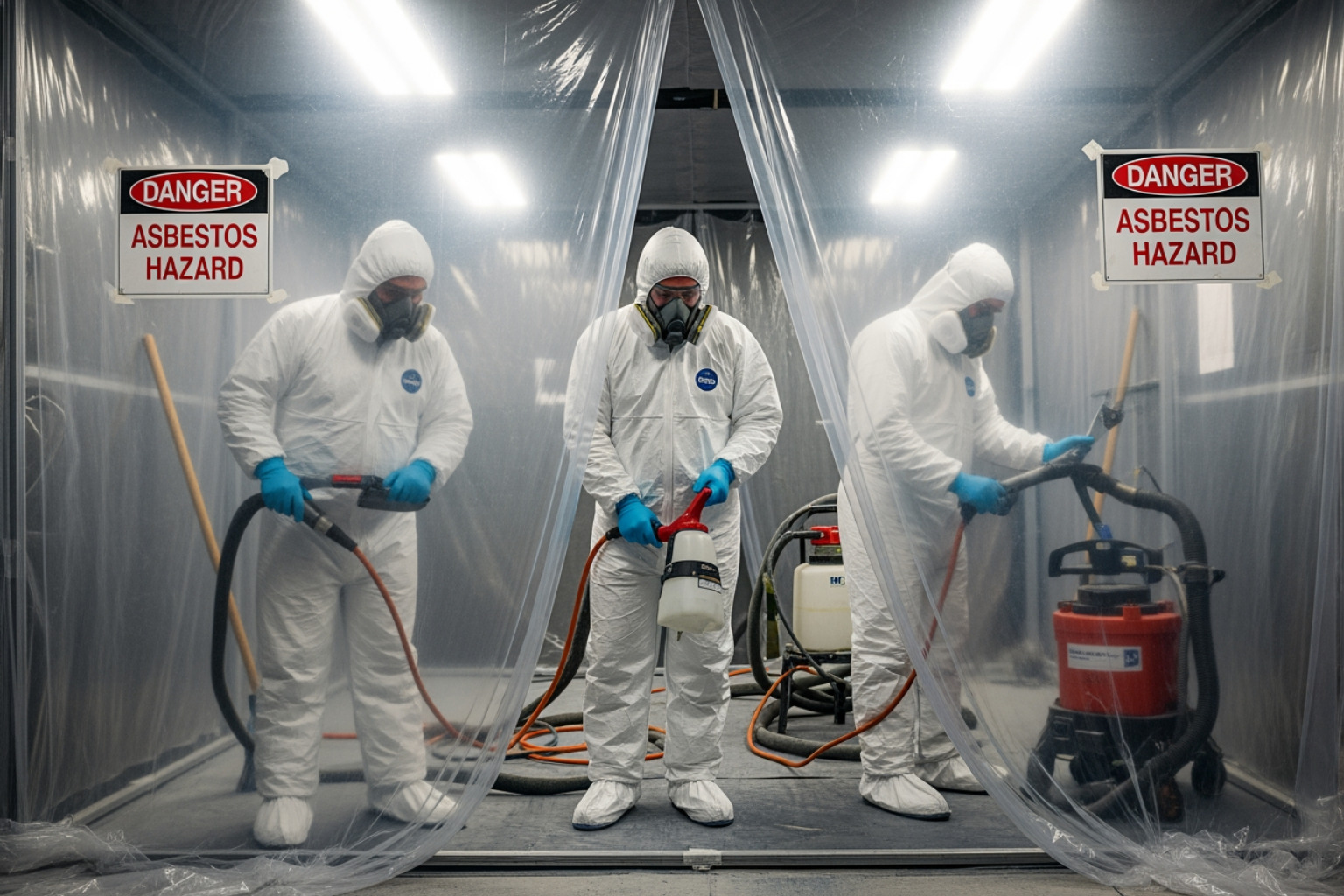
Creating an airtight containment zone is paramount. We use multiple layers of 6-mil polyethylene sheeting to seal off the affected area, creating an impermeable barrier. This enclosure is kept under negative air pressure to ensure any air leakage flows inward, not outward. Warning signs (e.g., “DANGER! ASBESTOS. AUTHORIZED PERSONNEL ONLY.”) are posted to restrict access.
Shutting Down HVAC Systems to Prevent Contamination
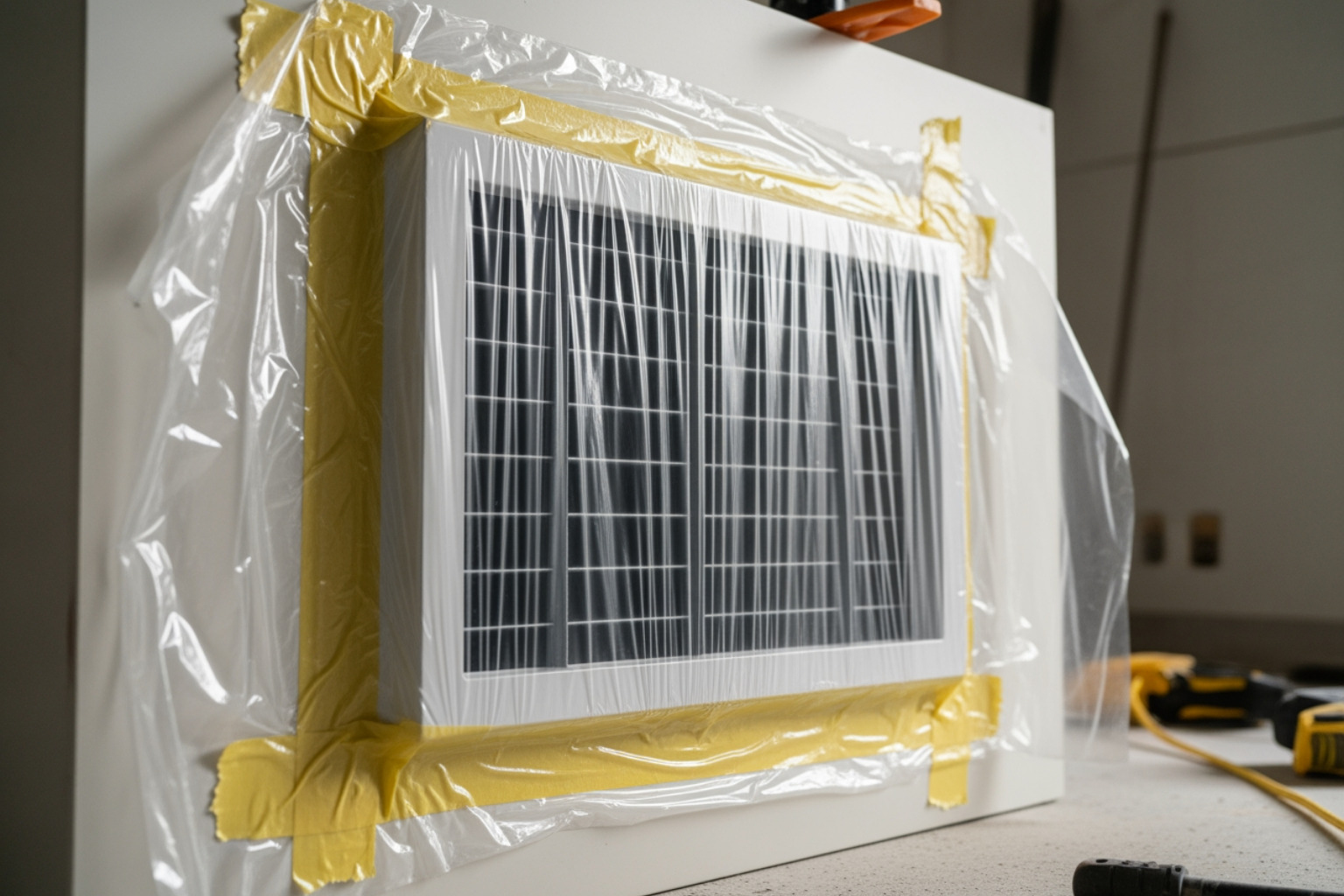
One of the most critical steps in Asbestos Abatement Site Preparation is shutting down the heating, ventilation, and air conditioning (HVAC) system. To prevent the spread of fibers, all HVAC systems serving the abatement area must be turned off, and all air ducts and vents sealed with polyethylene sheeting. This ensures the system does not circulate contaminated air, a key component of our Enviro-Safe Interior Demolition practices.
Managing Electrical and Water Utilities
Utilities are carefully managed before work begins. Temporary, GFCI-protected power is set up for abatement equipment like negative air machines and HEPA vacuums. Water is made available for wet removal methods, which help suppress airborne fibers, while we ensure any potential for water damage is mitigated.
Establishing Safety Protocols: Decontamination and Waste Management
Strict safety protocols are the foundation of every Asbestos Abatement Site Preparation and removal project, protecting workers, occupants, and the environment.
Decontamination and Exclusion Zones
To control access and prevent fiber spread, we establish two critical zones:
- Exclusion Zone: The actual work area where abatement occurs. It is clearly marked and restricted to authorized, properly equipped personnel.
- Decontamination Zone: A multi-stage buffer between the exclusion zone and clean areas. It typically consists of an equipment room, a shower room, and a clean room to ensure workers do not carry asbestos fibers out of the work area.
Personal Protective Equipment (PPE) and Worker Procedures
All personnel entering the exclusion zone must wear appropriate Personal Protective Equipment (PPE). This includes full-body disposable suits, boot covers, gloves, and, most importantly, Respirators approved by the National Institute for Occupational Safety and Health (NIOSH). These respirators are specifically designed to filter out microscopic asbestos fibers, protecting our team’s respiratory health.
Planning for Waste Disposal
Proper waste disposal is a highly regulated and critical part of Asbestos Abatement Site Preparation. Asbestos waste must be transported to a sanitary landfill disposal site approved by the U.S. Environmental Protection Agency (EPA).
Our disposal plan includes:
- Containment: Asbestos-containing materials are wetted during removal and immediately placed into labeled, leak-tight, 6-mil polyethylene bags or drums.
- Labeling: All waste containers are clearly identified with EPA-required warning labels.
- Transport: We ensure all waste transporters are properly permitted to handle and dispose of asbestos.
- Documentation: Detailed waste disposal receipts and manifests are maintained for the project records.
This rigorous approach ensures that asbestos is disposed of in an environmentally responsible and legally compliant manner. For more complex projects, we also handle Contaminated Soil & Concrete Disposal.
Finalizing the Project: Post-Abatement and Record-Keeping
The Clearance Process: Ensuring the Site is Safe for Reoccupation
The final phase of the project focuses on verifying that the work area is thoroughly clean and safe for reoccupation through meticulous cleaning, inspections, and independent air testing.
Post-Abatement Cleaning Procedures
After all asbestos-containing materials are removed, the work area undergoes a rigorous cleaning process. This involves:
- HEPA Vacuuming: Specialized HEPA (High-Efficiency Particulate Air) vacuums capture microscopic asbestos fibers from all surfaces.
- Wet-Wiping: All surfaces are then cleaned with amended water to remove any remaining dust.
- Lockdown/Encapsulation: In some cases, a sealant is applied to surfaces to bind any residual fibers, further reducing the risk of future release.
Final Visual Inspection by a Qualified Person
Following cleaning, a qualified and independent inspector conducts a detailed visual inspection of the work area. Guided by standards from the American Society for Testing and Materials (ASTM), this inspection ensures that all visible dust and debris have been removed. The area must pass this step before air testing can proceed.
Third-Party Air Clearance Testing
The ultimate confirmation of a safe abatement is air clearance testing. An independent, third-party air monitor collects air samples from within the containment area. These samples are analyzed in an accredited laboratory to ensure airborne asbestos fiber counts are below the established safe levels for reoccupation (e.g., 0.01 f/cc). Only when these tests pass can the containment barriers be dismantled, confirming the area is safe to re-enter. This is an integral part of our Asbestos Abatement Process.
Documentation, Costs, and Choosing Your Abatement Partner
Successful project completion culminates in proper documentation and a clear understanding of the investment, underscoring the importance of selecting the right partner.
What Documentation Should Property Owners Keep After an Asbestos Abatement Project?
Maintaining detailed records is essential for regulatory compliance and future reference. We advise property owners to keep a file containing:
- All permits and notifications.
- Initial asbestos inspection and testing reports.
- Air monitoring results from during and after abatement.
- Waste disposal manifests and receipts.
- The final visual inspection and air clearance reports.
These documents serve as proof that the asbestos was handled and removed according to all applicable regulations.
What Factors Influence the Cost of Asbestos Abatement, and What Is a General Cost Range?
The cost of asbestos abatement is highly variable, influenced by several key factors:
- Size of the Affected Area: Larger areas require more labor and materials.
- Type and Quantity of Material: Friable materials are generally more expensive to remove than non-friable materials.
- Complexity of Removal: Accessibility and the condition of the material can increase costs.
- Regulatory Requirements: Strict local, state, and federal regulations impact procedures and cost.
While we do not provide specific pricing, less complex abatements may start around $1,000, while more extensive projects can begin at $3,000 and go significantly higher. Investing in professional abatement is an investment in safety and compliance, avoiding fines that can exceed $200,000.
Choosing Your Asbestos Abatement Partner
When it comes to asbestos abatement, choosing the right partner is paramount. Brick Asbestos & Demolition brings four decades of expertise to every project across New Jersey, New York, and Pennsylvania. As a family-owned business, we prioritize safety and compliance, utilizing cutting-edge technology and adhering to the highest industry standards.
We offer personalized solutions and special rates for veterans, seniors, and new customers. Don’t leave your health and safety to chance. For expert-level help with asbestos-containing materials, contact us today. Learn more about our Asbestos Testing services or explore our full range of solutions.

Recent Articles
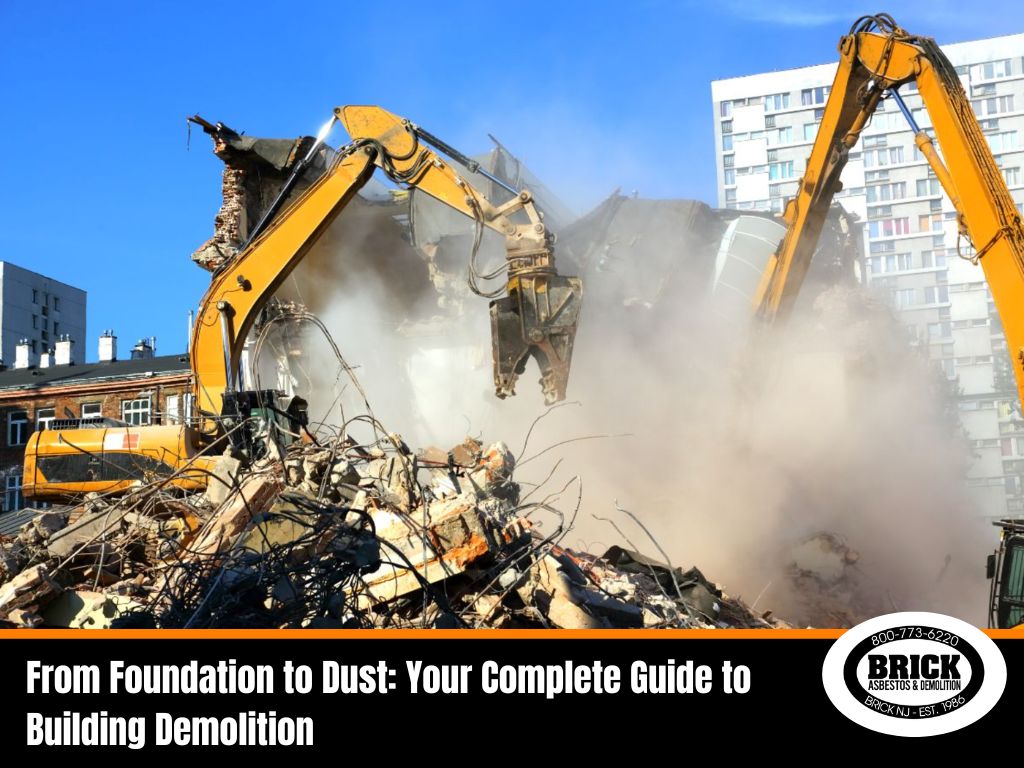
From Foundation to Dust: Your Complete Guide to Building Demolition
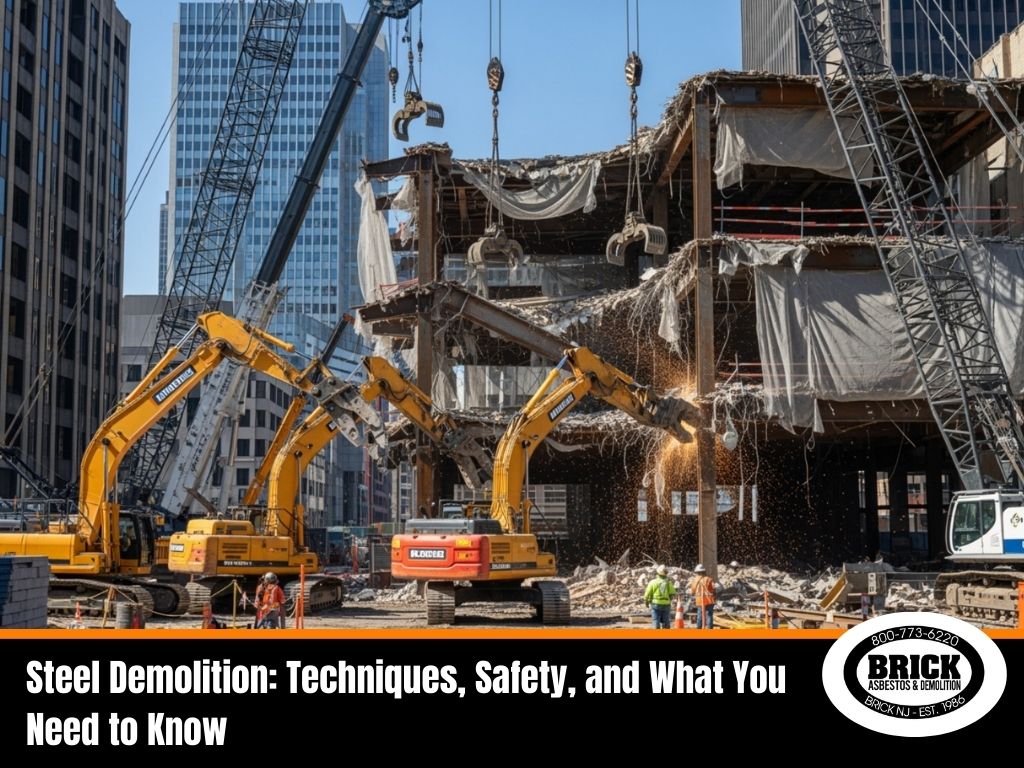
Steel Demolition: Techniques, Safety, and What You Need to Know